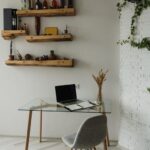
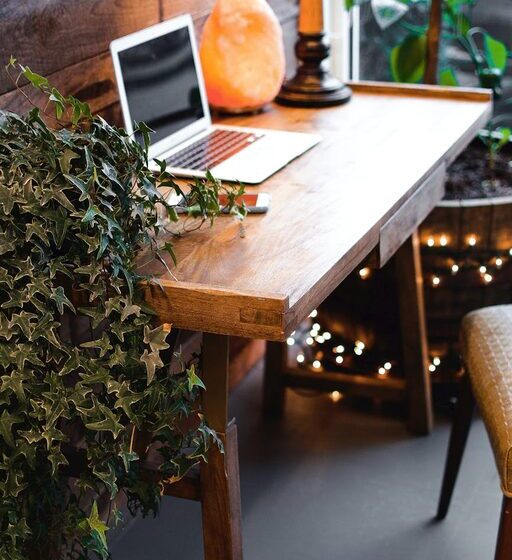

Working from home has become a common practice for many people, and having a well-designed home office can make a big difference in your comfort and productivity. Creating a space that feels cozy and inspires focus helps you enjoy your work and maintain a healthy balance between professional and personal life. In this post, we’ll explore practical tips for designing a home office that meets your needs and suits your style.
Why a Comfortable Home Office Matters
Spending long hours in an awkward, cluttered, or poorly lit space can lead to distractions, discomfort, and even physical strain. On the other hand, a cozy and thoughtfully arranged environment supports concentration, reduces stress, and can even spark creativity. When your workspace feels inviting, you’re more likely to stick to your schedule and perform at your best.
1. Choose the Right Location
The first step in creating a productive home office is deciding where it will be. Consider the following:
– Quiet area: Pick a spot with minimal noise and foot traffic to reduce interruptions.
– Natural light: If possible, position your desk near a window; natural sunlight can enhance mood and energy.
– Space: Ensure there is enough room for your desk, chair, and storage without feeling cramped.
– Separation: Try to keep your office separate from living spaces to help maintain a work-life balance.
2. Invest in Ergonomic Furniture
Comfortable furniture can prevent common issues like back pain and fatigue:
– Chair: Select an adjustable chair with good lumbar support.
– Desk: Choose a desk at the right height for typing and writing comfortably.
– Monitor placement: Place your computer screen at eye level to avoid neck strain.
– Footrest: Consider a footrest if your feet don’t naturally touch the floor.
Small adjustments to your furniture setup can increase your comfort and keep you focused during long work sessions.
3. Optimize Lighting for Comfort and Focus
Proper lighting is essential to reduce eye strain and create a welcoming atmosphere:
– Use natural light: Position your desk near windows but avoid glare on your screen.
– Task lighting: Add a desk lamp with adjustable brightness for focused work.
– Ambient lighting: Use warm, soft lights to make the room feel cozy, especially in the evenings.
Combining different light sources allows you to adjust according to the time of day and task at hand.
4. Keep Your Workspace Organized
A clutter-free desk helps clear your mind and improves efficiency:
– Declutter: Remove unnecessary items and keep only essential tools within reach.
– Storage solutions: Use shelves, drawers, and containers to store documents and supplies neatly.
– Cable management: Use clips or ties to keep wires organized and prevent tangles.
– Daily routine: Spend a few minutes each day tidying your workspace to maintain order.
An organized office encourages a productive mindset and reduces stress.
5. Add Personal Touches to Boost Comfort
While functionality is critical, personalizing your space can make work more enjoyable:
– Plants: Adding greenery improves air quality and creates a calming environment.
– Artwork: Display photos or art pieces that inspire you.
– Textiles: Use cushions, rugs, or curtains to add warmth and texture.
– Scent: A subtle diffuser with your favorite essential oils can create a peaceful ambiance.
Remember to keep decorations minimal so they don’t become distractions.
6. Minimize Distractions
Staying focused is easier when you limit interruptions:
– Technology: Mute notifications or use apps to block distracting sites during work hours.
– Set boundaries: Communicate your work schedule to family or roommates.
– Noise control: Use noise-canceling headphones or background music to help concentration.
Creating an environment where you can concentrate allows you to get more done in less time.
7. Incorporate Break and Movement Areas
Taking breaks and moving around during the day supports physical and mental health:
– Stretching: Keep space near your desk for quick stretches or yoga.
– Standing options: Consider a sit-stand desk or take short standing breaks.
– Relaxation spot: If possible, add a comfortable chair or small nook for short rest periods.
Regular movement prevents stiffness and keeps energy levels steady.
8. Use Technology to Stay Connected and Efficient
Equip your home office with reliable tools that support your workflow:
– High-speed internet: A fast, stable connection prevents frustrating disruptions.
– Quality equipment: Invest in a good microphone, webcam, and speakers if you attend video calls.
– Organizational apps: Use calendars, task lists, and note-taking tools to keep track of projects.
Technology is key to maintaining communication and managing tasks effectively.
—
Creating a cozy and productive home office doesn’t require a major renovation. By focusing on comfort, organization, lighting, and personal touches, you can build a space that supports your best work while feeling inviting. With these tips, you’ll enjoy a home office environment where productivity and well-being go hand in hand.