
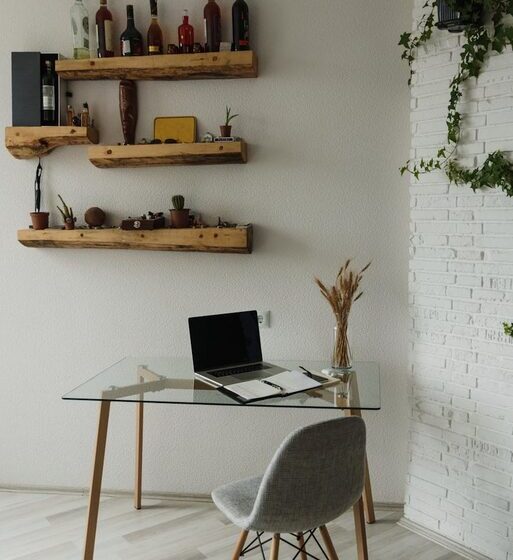

Creating a relaxing home office environment is essential for maintaining focus, reducing stress, and improving productivity. Whether you work remotely full-time or just need a quiet space for occasional tasks, your home office should feel both comfortable and inspiring. Here are some practical tips to help you design a workspace that promotes relaxation and efficiency.
1. Choose the Right Location
Selecting the best spot for your home office is the first step. Ideally, pick a quiet area away from high-traffic zones to minimize distractions.
– Natural Light: Opt for a location near a window to take advantage of natural daylight. Natural lighting can improve mood and energy levels.
– Privacy: If possible, choose a room or corner with a door to separate work from personal life.
2. Invest in Comfortable Furniture
Comfort is key when setting up a relaxing workspace. Poor furniture can lead to discomfort and decreased productivity.
– Ergonomic Chair: Select a chair that supports your back and encourages good posture.
– Desk Height: Your desk should be at a height that allows your arms to rest comfortably while typing.
– Additional Seating: Consider a cozy chair or small sofa for reading or brainstorming away from the desk.
3. Declutter and Organize
A cluttered desk can cause mental clutter. Keeping your workspace tidy helps create a calming atmosphere.
– Minimalism: Keep only essentials on your desk.
– Storage Solutions: Use shelves, filing cabinets, and organizers to store documents and supplies.
– Daily Clean-up: Spend a few minutes at the end of each day tidying your space.
4. Personalize Your Space
Adding personal touches makes your office feel inviting and less sterile.
– Artwork: Hang calming or inspiring artwork or photos.
– Plants: Indoor plants improve air quality and add a touch of nature.
– Colors: Choose wall colors and accessories in soothing tones like soft blues, greens, or neutrals.
5. Control Lighting and Noise
Proper lighting and sound control can greatly affect your comfort and focus.
– Adjustable Lighting: Use a combination of overhead lighting, desk lamps, and natural light. Adjustable options allow you to change brightness based on the time of day.
– Noise Reduction: Use noise-cancelling headphones or add rugs and curtains to absorb sound. White noise machines can also help mask distracting noises.
6. Set Up Technology Thoughtfully
Keep your tech setup efficient and distraction-free.
– Cable Management: Use clips and organizers to keep wires neat.
– Monitor Position: Place your screen at eye level to reduce strain.
– Essential Tools: Limit tech to what you need for your work to avoid digital distractions.
7. Create a Relaxation Space
Sometimes you need a break from your desk. Having a small area dedicated to relaxation helps refresh your mind.
– Comfortable Seating: A bean bag or lounge chair can be great for short breaks.
– Relaxation Items: Consider items like stress balls, a meditation cushion, or a small fountain.
– Reading Nook: Keep a few books or magazines nearby unrelated to work.
8. Maintain Good Air Quality
Fresh air can improve concentration and comfort.
– Ventilation: Open windows when possible or use an air purifier.
– Plants: As mentioned, plants can help purify the air naturally.
9. Manage Temperature
Maintaining a comfortable temperature keeps you focused.
– Climate Control: Use fans, heaters, or air conditioners as needed.
– Layered Clothing: Keep a blanket or sweater nearby in case you feel chilly.
Conclusion
A relaxing home office is a blend of comfort, organization, and personalization. By thoughtfully arranging your workspace with the tips above, you can create an environment that not only feels calm but also supports your productivity. Remember, small changes can make a big difference in how you feel during your workday. Take time to adjust your space until it truly feels like your ideal work zone.